JOHNNY DEPP’S STRANGE SECOND ACT: At 63, He’s Touring Europe, Directing Al Pacino — and Still Insists It Isn’t a Comeback
Three years after Johnny Depp told Cannes he had no use for the word “comeback,” he is spending the summer of 2026 filling European arenas with Hollywood Vampires and directing Al Pacino. At 63, Depp isn’t rebuilding the career he had — he appears to be building a different one.
- • THE AUGUST STAGE: At 63, Johnny Depp steps into the European arena spotlight with Hollywood Vampires, standing alongside Alice Cooper and Joe Perry after a three-year hiatus.
- • BEHIND THE LENS: Twenty-five years after his directorial debut, Depp commands the director’s chair for Modì, directing cinema titan Al Pacino in a 72-hour chronicle of Amedeo Modigliani.
- • THE PARADOX: Rather than chasing a studio redemption tour, Depp is quietly constructing a European second act strictly on his own terms.
Johnny Depp doesn't look like a man staging a comeback.
On August 12, he walked onto the stage at London’s O2 Arena with a guitar slung across his chest, Alice Cooper at the microphone, and Aerosmith’s Joe Perry ripping chords beside him. Three years earlier, journalists crowded into a press room in Cannes were pressing Depp on whether Hollywood would ever take him back. His answer then was characteristically blunt: he hadn’t gone anywhere.
In the late summer of 2026, as the Hollywood Vampires trek across Germany, France, and Italy on their first major run in nearly three years, that answer looks less like media defiance and more like a deliberate career blueprint.
Act I: The Stage and the Decibel Counter
To watch Depp on stage today is to see someone who has happily abandoned the requirement to prove he is still a conventional leading man. When the Hollywood Vampires launched their current European tour in London, Depp was neither the center-stage frontman nor a novelty guest. He was what he started out as in Owensboro, Kentucky, before Nicolas Cage suggested an audition for A Nightmare on Elm Street: a rhythm guitarist locking in with a band.
The band themselves described the tour simply as picking up where they left off after three years of individual commitments. But for Depp, the tour serves another function. It is a live, visceral reminder of where his center of gravity has shifted — away from Burbank soundstages and toward European capitals.
Act II: Directing Pacino in 72 Hours of Madness
Yet the guitar only tells half the story.
The more revealing transformation has happened quietly behind the camera. With Modì, Three Days on the Wing of Madness, Depp took the director’s chair for the first time since 1997’s The Brave. The film — an intense, chaotic snapshot of 72 hours in the life of bohemian painter Amedeo Modigliani in war-torn 1916 Paris — was brought to Depp by none other than **Al Pacino**, who portrays French art collector Maurice Gangnat.
When the film was selected for out-of-competition screenings at the San Sebastian and Rome film festivals, it marked a decisive break from the past. For a star who spent three decades as one of the most recognizable faces on the planet, spending months in European cutting rooms directing Pacino and Italian star Riccardo Scamarcio was an intentional retreat into the architecture of filmmaking.

Act III: “I Didn’t Go Anywhere”
There was a time when Depp’s life seemed inseparable from 1990s Hollywood mythology: Winona Ryder, Kate Moss, the Viper Room, Tim Burton, the tattoos, and the strange, singular characters other leading men wouldn’t touch. Later came the fourteen quiet years in the French countryside with Vanessa Paradis, followed by the multi-billion-dollar machinery of Disney’s Pirates of the Caribbean.
That era ended not with a whimper, but with the 2022 Fairfax County civil trial — a six-week televised spectacle that turned one of Hollywood’s most volatile private collapses into global daytime television.
When the dust settled and Depp arrived at the Cannes Film Festival in 2023 for Maïwenn’s period drama Jeanne du Barry, reporters repeatedly used the word “comeback.” Depp’s response remains the most honest distillation of his current mindset:
“I keep wondering about the word ‘comeback’... I didn’t go anywhere. As a matter of fact, I live about 45 minutes away... Did I feel boycotted by Hollywood? You’d have to not have a pulse to feel like, ‘No, none of this is happening, it’s just a weird joke.’ But I don’t think about Hollywood. I don’t have much further need for Hollywood myself.”
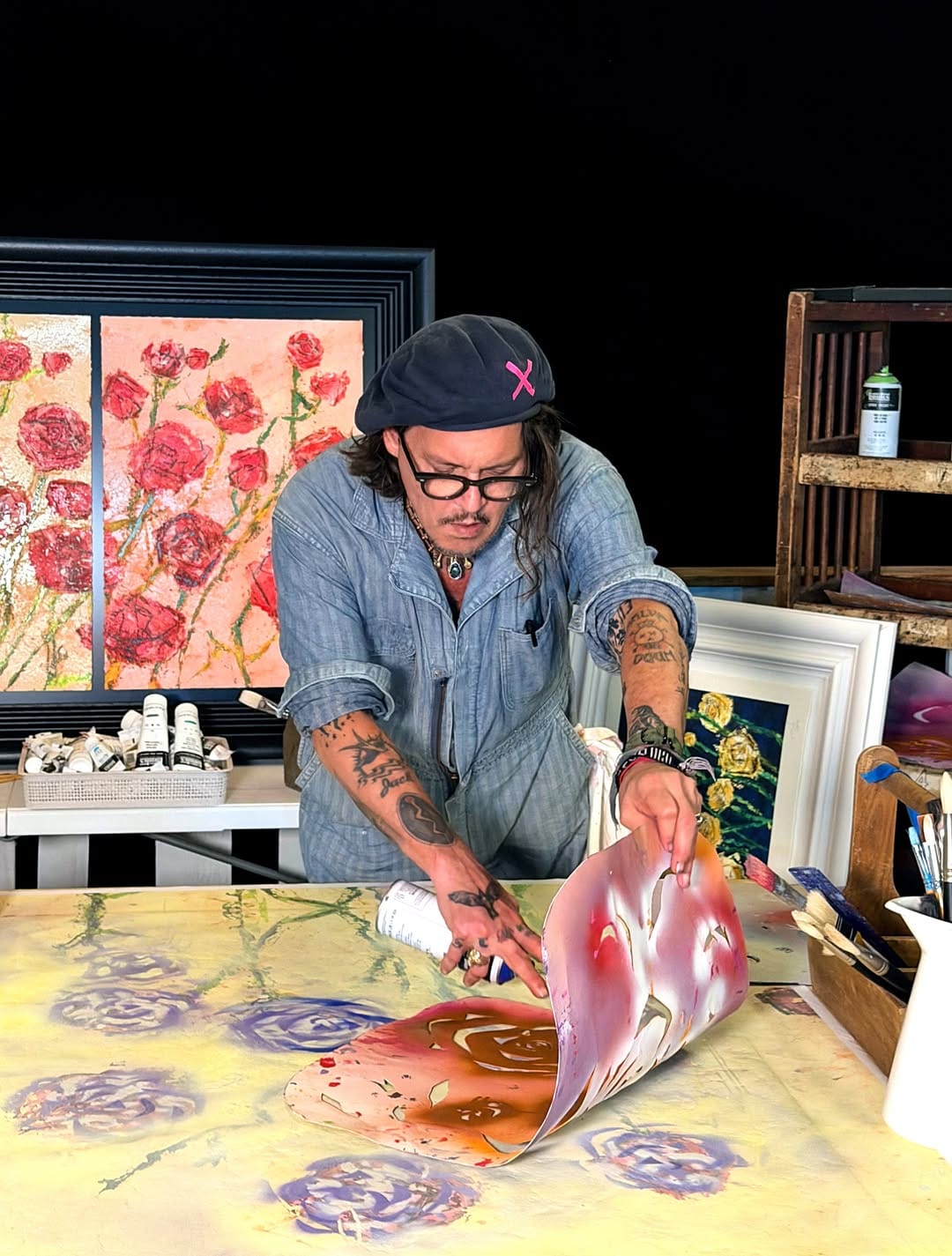
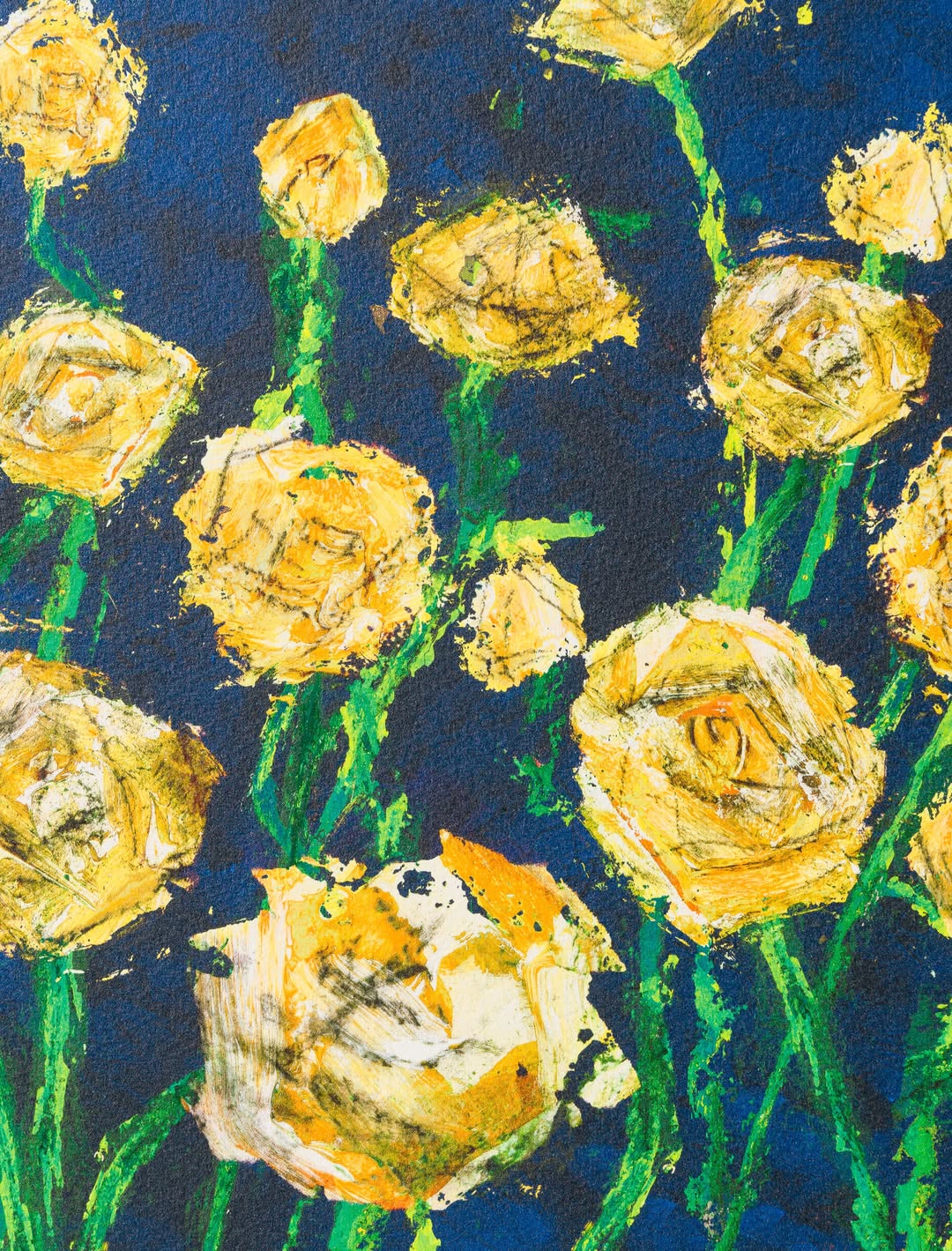
In 2026, that statement no longer reads like post-trial bravado. Between sold-out print releases of his paintings, European festival appearances, directing independent cinema, and playing arena rock with Alice Cooper, Depp has not rebuilt his old career. He has simply built a different one.
Whether Hollywood ever calls with an offer he cares to read is, for the first time in forty years, entirely beside the point.